Eat Less Meat and Dairy
Summary: Eat less meat
Description
Meat and dairy have a large impact on climate change with livestock accounting for about 14.5% of the world’s greenhouse gas emissions each year. That is roughly the same amount as the emissions from all cars, trucks, airplanes, and ships in the world combined.
Scientists warn that the current system of production and pattern of consumption cannot be sustained, and the adoption of a more plant-based diet must be a part of the answer (see Poore and Nemecek, Science ). Making changes to your eating habits can be done at your own pace and with little financial investment--but have a big climate impact.
Consuming less red meat and dairy has the biggest impact.
- Taking into account production emissions and post farm emissions like processing, transport, retail, cooking, and waste disposal, it is clear that getting meat to the dinner table generates a lot more greenhouse gases per kilogram than plant-based proteins.
- Just reducing the amount of beef, the average American consumes can make a big difference.
- Make the commitment to reducing or eliminating the foods with higher climate impact and incorporate more plant-based dishes into your meals.
That doesn’t necessarily mean you have to go vegan.
- You might just eat less of foods with the biggest climate footprints like beef, lamb, and cheese
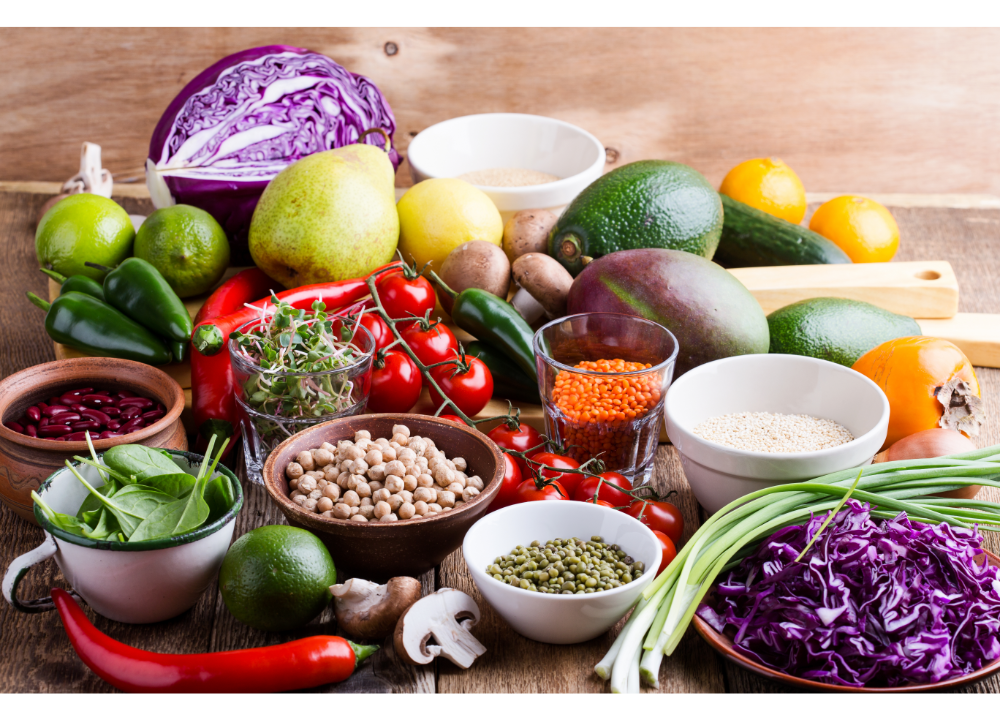
- Plant-based foods like beans, grains and soy tend to be the most climate-friendly of all. And there are so many great vegetarian recipes!
- Make Meatless Monday a family tradition for a start. Buy a vegetarian cookbook and try out some of the recipes. It’s not hard to dramatically decrease your meat and dairy intake, thereby increasing plant-based options. Go at your own pace but don't be afraid to challenge yourself, and remember the benefits you derive are not only for the planet, but also for your own health.
Deep Dive
The average meat-centric Western diet comes with a steep climate price tag- one-fifth of global emissions. According to a 2016 study, business-as-usual emissions could be reduced by as much as:
- 70% through adopting a vegan diet, and
- 63% through a vegetarian diet, which includes cheese, milk, and eggs.
- $1 trillion in annual health-care costs and lost productivity would be saved.
What’s the difference between vegetarian and vegan?
- Vegetarian is a broader term for excluding animal products from your diet. A vegetarian diet will exclude meat but may include eggs and dairy (lacto-ovo vegetarian).
- A vegan diet strictly avoids any food that contains animal products, including dairy and eggs. Once you become familiar with meatless recipes, try adding vegan recipes into your repertoire as well.
While most people grow up believing that animal agriculture is a natural and efficient system for getting protein, the reality paints a vastly different picture. Whether it is land, water, or air - getting our protein from animals is having a serious impact on the planet and future generations.
LAND USE
- According to researchers from Oxford, meat, dairy, egg and fish farming use 83% of the world’s farmland yet provide only 18% of the world’s calories.
- The reason livestock require so much land is because animals are just the “middlemen”, consuming on average six times more protein than they even produce.
- And with more than 70 billion animals consumed globally every year, growing animal feed requires vast amounts of land. Which is why the single biggest source of habitat destruction is said to be the livestock sector. For example, in South America, some 70% of former forests in the Amazon are now used to graze cattle, with much of the remainder used to grow feed crops for the cattle.
WATER USE AND CONTAMINATION
- While rain barrels and low-flush toilets are important, only 4% of humanity’s water usage occurs in the home. By contrast, 27% of humanity’s “water footprint” is used to produce animal foods. This is because, once again, animals are the “middlemen”, requiring on average six times more protein than they produce, which requires an immense amount of animal feed, which in turn requires vast amounts of the world’s freshwater.
- Unfortunately, it is not just water depletion that is an issue, it is also water contamination. In the United States alone, farm animals produce nearly 50 times more waste per year than America’s human population, polluting rivers, lakes, and groundwater across the country. Globally, livestock production is one of the leading causes of water pollution.
AIR QUALITY/EMISSIONS
- The livestock sector is responsible for 15% of global man-made emissions. To put that in perspective, that is about the same as all the emissions from all the transport in the world (including planes, trains, cars, and ships.)
SHIFTING AWAY FROM MEAT-BASED DIETS...
- Our food choices play a significant role in the biggest environmental challenges of our time. Just as the food we choose to eat is part of the problem, thankfully it is also the solution.
- In the US, where per capita meat consumption is three times the global average, shifting away from an animal-based diet would reduce agricultural emissions by up to 73%, and save one million liters of water per person, per year.
Steps to Take
- Review the list of climate impact of various foods from the Environmental Working Group or other similar charts.
- Reduce or eliminate beef first and try to move down the list of those foods with the highest impacts. Lamb, cheese, and pork also rank high on impact.
- Commit to going vegetarian one or more times a week and stick with it. Make Meatless Mondays a tradition.
- Keep your pantry stocked with ‘go to’ vegetarian ingredients and favorite recipes handy.
- Once your family has routinely incorporated vegetarian meals, introduce some vegan recipes that have no dairy or eggs.
- Spread the word and get support from others who are reducing their meat consumption. Cook vegetarian at your next dinner party. Very few people understand the climate impact of their food choices.